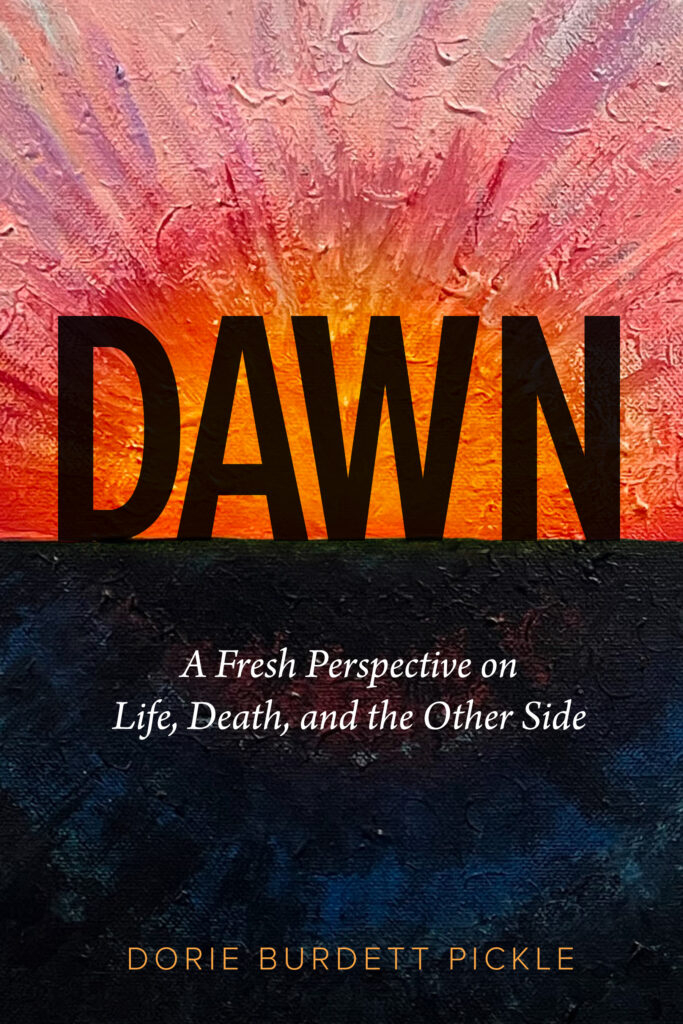
“As Dorie sat beside her mother in the hospital, bearing witness to her final days with kidney disease, she found herself in the midst of something extraordinary. Her mother, fully aware that her time was limited, spoke with an urgent, unfiltered clarity—sharing vivid visions, dreams, and reflections about life, death, and the journey beyond. It was as if a veil had lifted, and she wanted—needed—to pass on everything she was seeing before she slipped away.
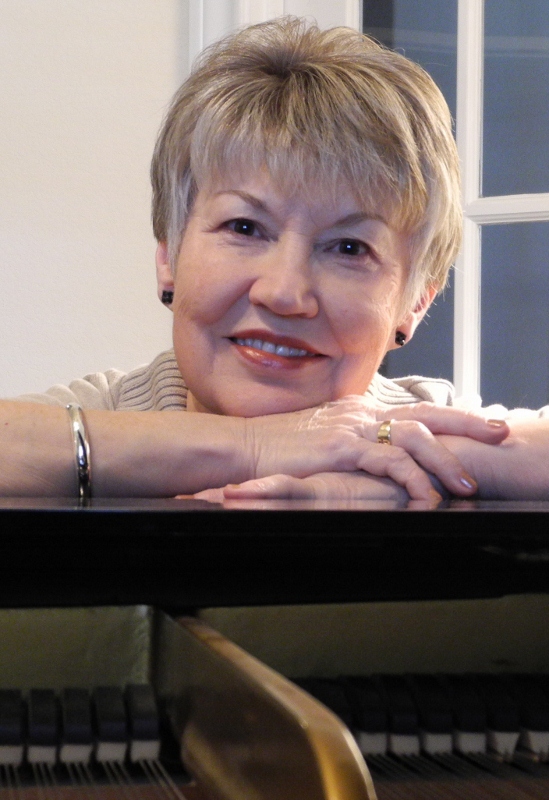
Dorie did what she knew best: she listened deeply. She wrote. She sketched. She captured the whirlwind of her mother’s thoughts, the beauty and chaos of that sacred time, and the emotional intensity of bearing witness to someone trying to articulate what lies beyond this life. In Dawn, Dorie doesn’t just recount these moments—she places the reader right there in the hospital room, hearing her mother’s words, feeling the confusion and awe, and glimpsing the mystery through her mother’s eyes. The result is Dawn, a stunning reflection on life, death, grief, and what might come after—told not as an ending, but as part of something much greater.
Through the lens of both daughter and creative, Dorie translates this deeply personal experience into one that resonates universally. She believes that opening ourselves to conversations about death, the meaning of life, and our purpose is essential to our collective emotional well-being. With a blend of vulnerability, humor, and creative insight, she creates a safe space for us to think more deeply, feel more fully, and grapple with loss and with the enduring connections that continue long after someone is gone.
Dawn touched me in a profoundly personal way. I read it just a few months after my own father passed away. Like Dorie, I found myself in a hospital room, watching someone I love slip away. My father had lost his short-term memory due to dementia, and in those final days, I clung to every moment we had, aching to connect, knowing our time was running out. I sobbed reading Dawn—not only from grief, but from the beauty of Dorie’s mother and her fierce desire to communicate something lasting. Dorie gave voice to an experience that so often goes unspoken, capturing the tenderness, the heartbreak, and the grace of a mother and daughter navigating their final days together.”